

Better Diagnosis
Accurately diagnose and treat patients with high-frequency symptoms like headache and dizziness, and high-risk conditions like acute ischemic stroke, central nervous system infections, and intracerebral hemorrhage
Practical Algorithms
Algorithms to diagnose neurological symptoms, quickly identify a neurological emergency, and take appropriate measures to optimize outcomes for high-risk patients

Optimized Care
Optimize care for patients presenting with high frequency neurological symptoms or high risk conditions
HANDS-ON WORKSHOPS & INTERACTIVE SESSIONS
Stroke. Headache. ICH. HINTS, BPPV, and Dizziness Workshops. Ultrasound for Neuro Emergencies. Small Group Case Discussions.
European CME Credits
An application has been made to the European Accreditation Council for Continuing Medical Education (EACCME®).
Interactive Sessions and Workshops
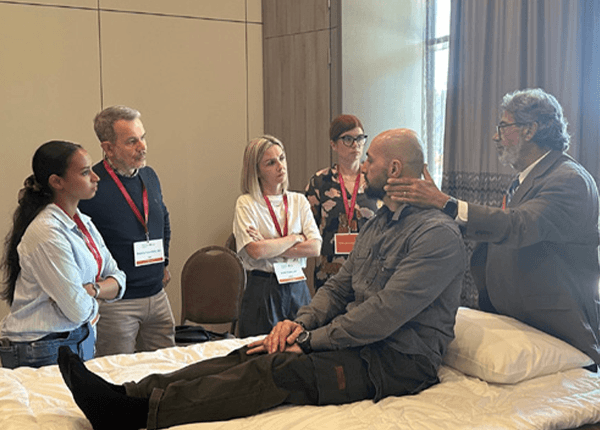
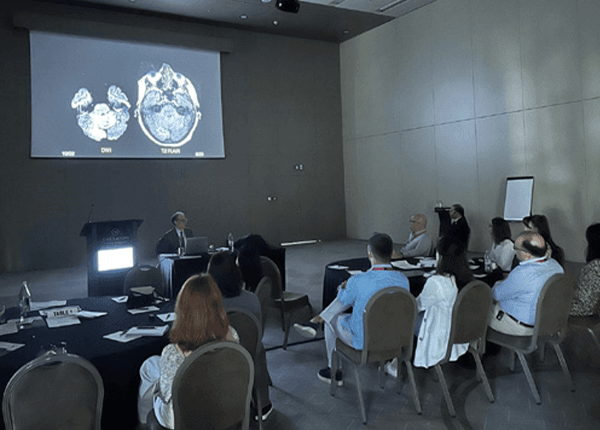
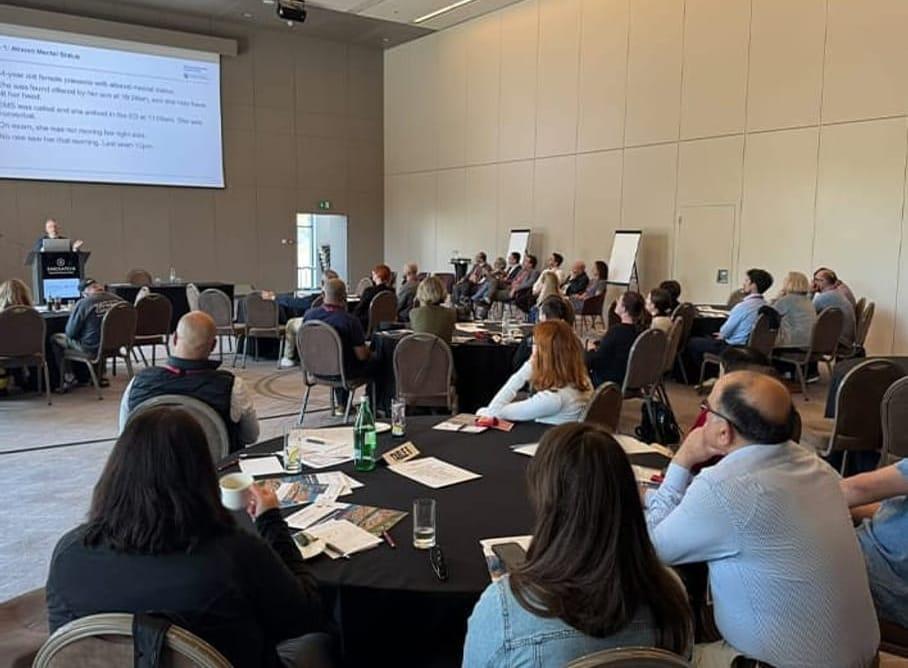
Small group workshops on CT reads, clinical case review, HINTS, BPPV, bedside ultrasound for neuro emergencies, stroke imaging.
World-renowned Neurological Emergencies Experts
Our course is led by two Harvard Medical School, world-renowned neurological emergencies experts who have led the Harvard Medical School CME course for 15 years and have published extensively in the field.
Harvard Medical School Faculty
Course directors and many faculty are professors at Harvard Medical School. They are joined by international experts recognized for their expertise in neurological emergencies.
Improved Diagnosis of Neurological Patients
The course provides learners with updates, best practices, and practical algorithms to more accurately diagnose neurological symptoms, quickly identify a neurological emergency, and take appropriate measures to optimize outcomes for high-risk patients.
2026 Endorsement By
2026 Collaboration With
Neurological Emergencies is a 2-day, 16-hour course that provides updates, best practices, and practical algorithms to diagnose neurological symptoms, quickly identify a neurological emergency, and take appropriate measures to optimize outcomes for high-risk patients. The goal of this course is to prepare clinicians to accurately diagnose and treat patients with:
- High-frequency symptoms: Headache and dizziness
- High-risk conditions: Acute ischemic stroke, central nervous system infections, and intracerebral hemorrhage
Relevant for clinicians working in:
- Emergency Medicine
- Inpatient and Outpatient Neurology
- Critical Care
- Hospital Medicine
- Geriatricians
- Urgent Care
- Internal/Family Medicine
Learn about:
- A new paradigm to diagnose dizziness
- Best practices for brain imaging
- Updates in diagnosis and management of central nervous system infections
- The newest approaches to treating TIA and ischemic and hemorrhagic stroke
- The latest advances in point-of-care ultrasound for neurological emergencies
- Workshops in HINTS, dizziness, and more
COURSE AGENDA
Thursday, 15 April 2027
0800 - 0830
Registration and Welcome Coffee
0830 - 0845
Welcome and Opening Remarks
0845 - 1000
Dizziness: A New Evidence-Based Algorithm
1000 - 1045
Diagnosis and Management of BPPV
1045 - 1100
Coffee Break
1100 - 1145
Neuroimaging: Head CT for Non-Radiologists
1145 - 1230
Neuro Spine Imaging
1230 - 1330
Lunch
1330 - 1530
Neurological Emergency Workshops: Dizziness (HINTS), Clinical Case Review, and CT Head Reads
1530 - 1545
Coffee Break
1545 - 1630
Updates on Stroke Revascularization: IV Thrombolytics and Endovascular Therapy
1630 - 1700
Neurological Emergencies Across the World: Interactive Case Panel I
1700 - 1800
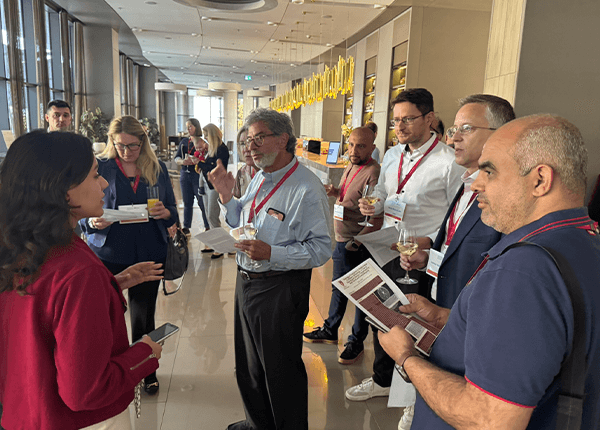
Networking Reception and Poster Session
Friday, 16 April 2027
0800 - 0830
Welcome Coffee
0830 - 0845
Welcome Back
0845 - 0930
Code ICH! The First Hours of Intracerebral Hemorrhage
0930 - 1015
Bedside Ultrasound for Neurological Emergencies
1015 - 1030
Coffee Break
1030 - 1230
Neurological Emergency Workshops: Dizziness (BPPV), Optic Nerve Sheath and Lumbar Puncture, Stroke Imaging, Clinical Case Review
1230 - 1315
Transient Ischemic Attack: Diagnosis and Acute Treatment
1315 - 1415
Lunch
1415 - 1500
Headache Cases you Cannot Miss
1500 - 1545
Seizures and Status Epilepticus
1545 - 1600
Coffee Break
1600 - 1645
1645 - 1715
CNS Infections
Neurological Emergencies Across the World: Interactive Case Panel II
European CME
An application has been submitted to the European Accreditation Council for Continuing Medical Education (EACCME®).
Through an agreement between the European Union of Medical Specialties (UEMS) and the American Medical Association, physicians may convert EACCME® credits to an equivalent number of AMA PRA Category 1 Credits™. Information on the process to convert EACCME® credit to AMA credit can be found here.
Live educational activities, occurring outside of Canada, recognized by the UEMS-EACCME® for ECMEC®s are deemed to be Accredited Group Learning Activities (Section 1) as defined by the Maintenance of Certification Program of the Royal College of Physicians and Surgeons of Canada.
Past Courses
2026 course endorsements


2027 course endorsements
NEUROLOGICAL EMERGENCIES SPEAKERS
COURSE DIRECTORS
SPEAKERS